StreamIntel take: In 2026, the streaming question is no longer “Which platform has more content?” but “Which platform is worth keeping?” This comparison focuses on real viewing value—not hype.
Why Streaming Decisions Feel Harder in 2026
By 2026, most viewers are no longer discovering streaming—they’re managing it. Subscription fatigue, uneven release schedules, and rising expectations have shifted the decision from curiosity to cost-benefit thinking.
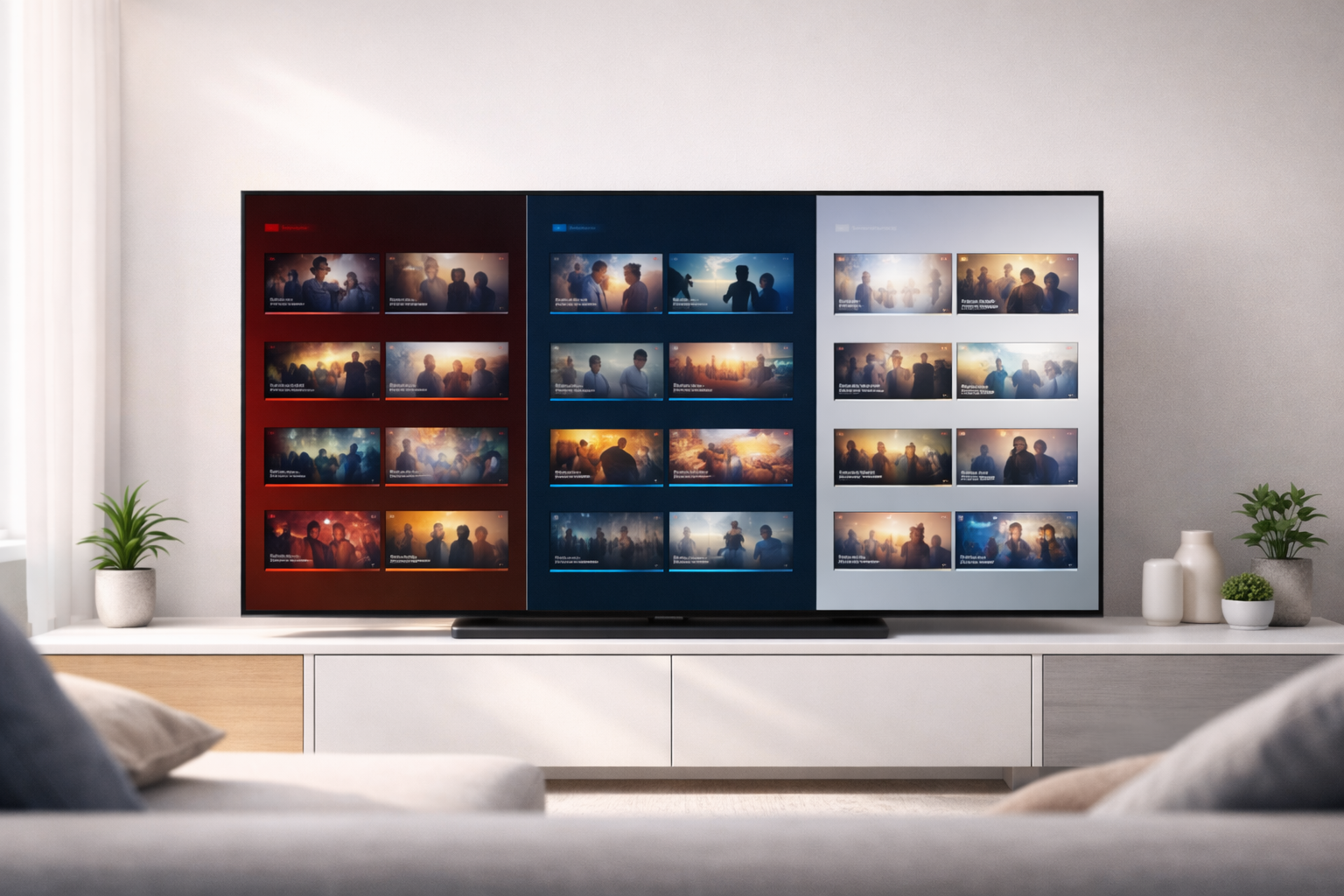
Netflix, Disney+, and Amazon Prime Video now represent three very different philosophies: volume, franchise, and bundle. Understanding those differences is the key to choosing correctly.
Netflix in 2026: Scale Without Permanence
Netflix still releases more originals than any competitor, but volume has become both a strength and a weakness.
- Strength: Constant novelty and global genre diversity.
- Weakness: Short-lived relevance and frequent cancellations.
- Best for: Viewers who binge, sample aggressively, and drop shows early.
In 2026, Netflix works best when treated as a high-turnover platform—not a long-term archive.
Disney+ in 2026: Franchise Power, Narrow Scope
Disney+ remains built around its intellectual property ecosystem. Its value depends heavily on how invested you already are.
- Strength: Brand familiarity and production consistency.
- Weakness: Limited genre range and creative restraint.
- Best for: Franchise fans, families, and short-term subscriptions.
For many users, Disney+ is no longer a year-round service—it’s a rotation platform.
Amazon Prime Video in 2026: Value Hidden in the Bundle
Prime Video’s biggest advantage is inclusion. It rarely competes head-on for attention but benefits from already being there.
- Strength: Broad genre mix and strong standalone films.
- Weakness: Confusing discovery and inconsistent originals.
- Best for: Prime members who browse patiently and mix rentals with subscriptions.
Prime Video rewards selective intent rather than endless scrolling.
Content Density vs Content Volume
In 2026, content density matters more than content count.
- Netflix: High volume, lower per-title commitment.
- Disney+: Low volume, high brand attachment.
- Prime Video: Medium volume, uneven discovery.
The platform that feels “best” depends on how often you want to decide what to watch.
Discovery, Fatigue, and Cancellation Risk
Each platform creates a different kind of fatigue:
- Netflix: Algorithm fatigue—too many similar options.
- Disney+: Franchise fatigue—diminishing excitement.
- Prime Video: Interface fatigue—too much friction.
In 2026, viewers increasingly rotate platforms instead of staying loyal.
Which Platform Is Worth It in 2026?
- Choose Netflix if: you want constant new releases and don’t mind quitting early.
- Choose Disney+ if: you follow specific franchises and subscribe selectively.
- Choose Prime Video if: you already pay for Prime and value flexible browsing.
The smartest strategy in 2026 is not picking one winner—but knowing when to rotate.
Final Verdict
No platform wins universally in 2026. Netflix wins on speed, Disney+ on familiarity, and Prime Video on bundled value. The best choice depends less on features and more on how you actually watch.
Related: See our platform-specific decision guides for Netflix, Disney+, and Prime Video.