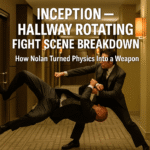
Sometimes, a single moment carries the emotional and thematic weight of an entire narrative.
The Power of the Defining Scene
Not all scenes are created equal.
Certain moments crystallize a show’s identity.
They become emotional reference points for viewers.
What Makes a Scene “Defining”?
- Emotional authenticity
- Narrative clarity
- Visual symbolism
- Character revelation
- Memorable dialogue
Case Study: The Moral Turning Point
Many prestige dramas hinge on a single ethical decision.
This moment permanently reshapes audience perception.
It establishes the show’s moral universe.
Case Study: The Emotional Collapse
Scenes of vulnerability humanize complex characters.
They create long-term empathy.
Viewers anchor their loyalty to these moments.
Visual Language and Memory Formation
Cinematography reinforces emotional meaning.
Lighting, framing, and color palettes encode memory.
Iconic visuals become shorthand for entire series.
Sound Design and Musical Framing
Music and silence guide interpretation.
Well-placed sound cues intensify narrative resonance.
Timing Within the Narrative
Defining scenes rarely appear randomly.
They emerge after sufficient character investment.
Premature moments lack impact.
The Rewatch Effect
Revisiting defining scenes alters perception.
Hidden layers become visible.
Narrative craftsmanship gains appreciation.
Why Streaming Amplifies These Moments
Binge-watching concentrates emotional exposure.
Key scenes imprint more deeply.
They spread rapidly through online discourse.
When Defining Scenes Fail
Forced symbolism weakens credibility.
Manipulative emotional cues alienate audiences.
Authenticity remains essential.
Final Thoughts
Great series are remembered through moments.
One scene can become a narrative signature.
Understanding this helps explain long-term audience attachment.
Data from our State of Streaming 2026 indicates that subscription rotation has become a structural behavior rather than a temporary trend.