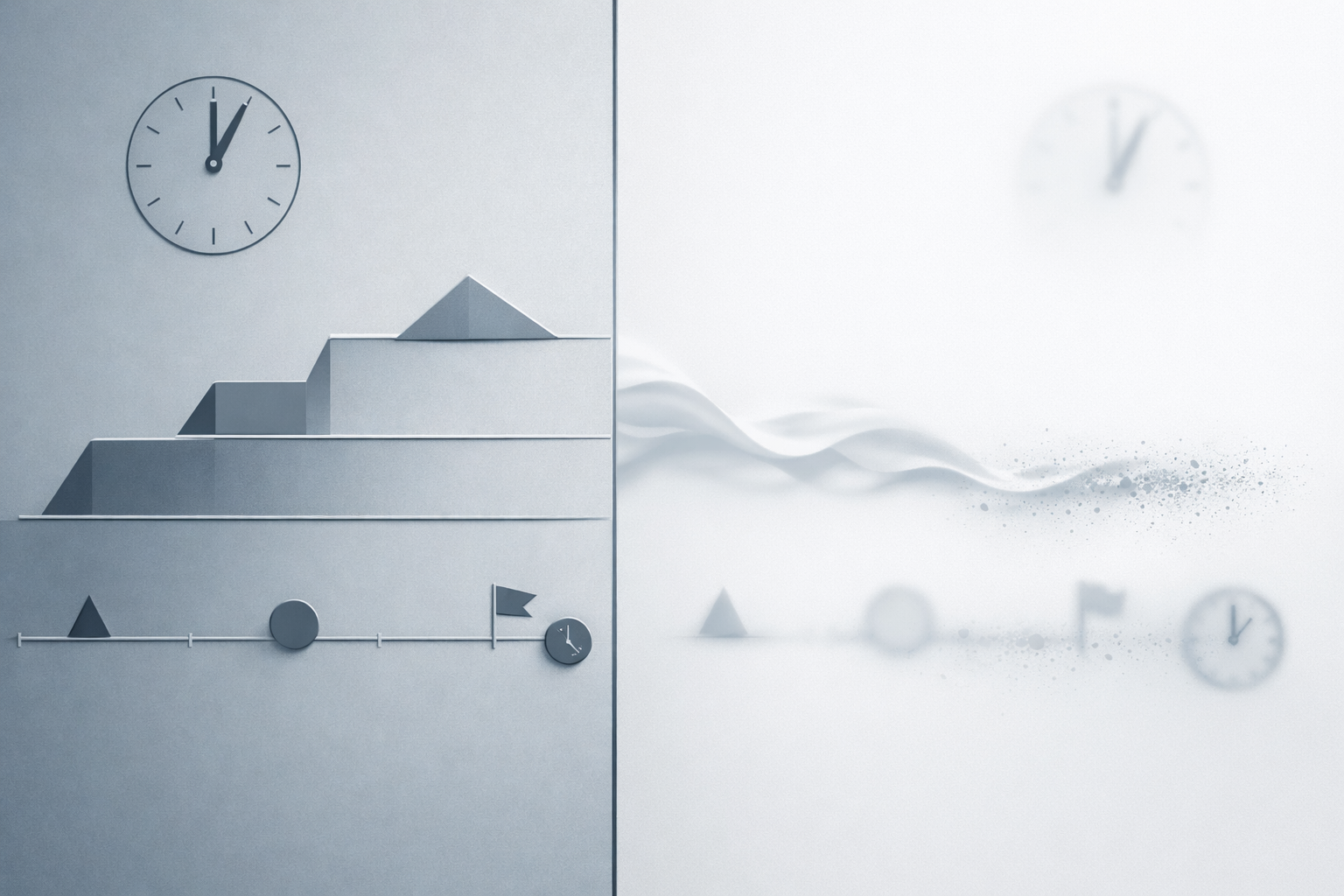
Modern TV episodes no longer follow the rhythm viewers grew up with — and the difference is quietly reshaping engagement.
StreamIntel take: Episode structure is no longer built around storytelling tradition. It is built around platform behavior.
The Disappearing Shape of the TV Episode
For decades, television episodes followed recognizable patterns. Setups led to conflicts, conflicts escalated, and resolutions provided emotional closure.
Today, many episodes feel unfinished, fragmented, or strangely uneven. This is not accidental. It reflects a shift in how stories are engineered for streaming environments.
From Broadcast Rhythm to Streaming Flow
Traditional television relied on fixed schedules and commercial breaks. Episodes were designed to retain attention through structured peaks.
Streaming removed these constraints. Without time slots or interruptions, episodes no longer need internal rhythm to survive.
- No forced act breaks
- No mid-episode hooks
- No mandated resolution points
This freedom created flexibility — but also structural looseness.
Why Episodes Now Feel “Longer” Without Being Deeper
Many modern episodes run longer than their broadcast-era counterparts. Yet viewers often feel less narrative density.
This happens because expansion replaces compression.
- Scenes linger without development
- Atmosphere replaces progression
- Dialogue fills space instead of advancing conflict
Length becomes duration, not substance.
The Rise of Modular Storytelling
Episodes are increasingly designed as interchangeable units.
Rather than building toward internal arcs, they function as chapters in a continuous stream.
This modular design supports binge-watching but weakens episodic identity.
When Episodes Stop Being Emotional Containers
Historically, episodes were emotional units. Each carried a specific tension and release.
Today, emotional payoffs are often postponed indefinitely.
- Cliffhangers replace conclusions
- Setups outnumber resolutions
- Arcs stretch across entire seasons
Viewers feel this absence, even if they cannot articulate it.
Platform Optimization vs Narrative Craft
Modern episode structure is influenced by platform metrics.
Completion rates, drop-off points, and binge patterns shape pacing decisions.
As a result, episodes are increasingly optimized for retention rather than coherence.
Why Some Viewers Feel Disconnected
When episodes lack internal meaning, viewers experience subtle disengagement.
- Reduced emotional memory
- Weaker attachment to characters
- Lower anticipation between episodes
The series may remain “watchable,” but rarely becomes memorable.
How Strong Series Adapt Without Losing Structure
Not all modern series suffer from structural erosion.
The strongest shows preserve episodic integrity while embracing streaming flexibility.
- Each episode contains a thematic core
- Conflicts evolve meaningfully
- Emotional movement remains visible
They treat episodes as meaningful units, not disposable segments.
Final Take
Episode structure is not disappearing. It is being redefined.
When structure serves algorithms more than stories, viewers feel the loss.
The future of television depends on restoring meaning inside each hour — not just across seasons.